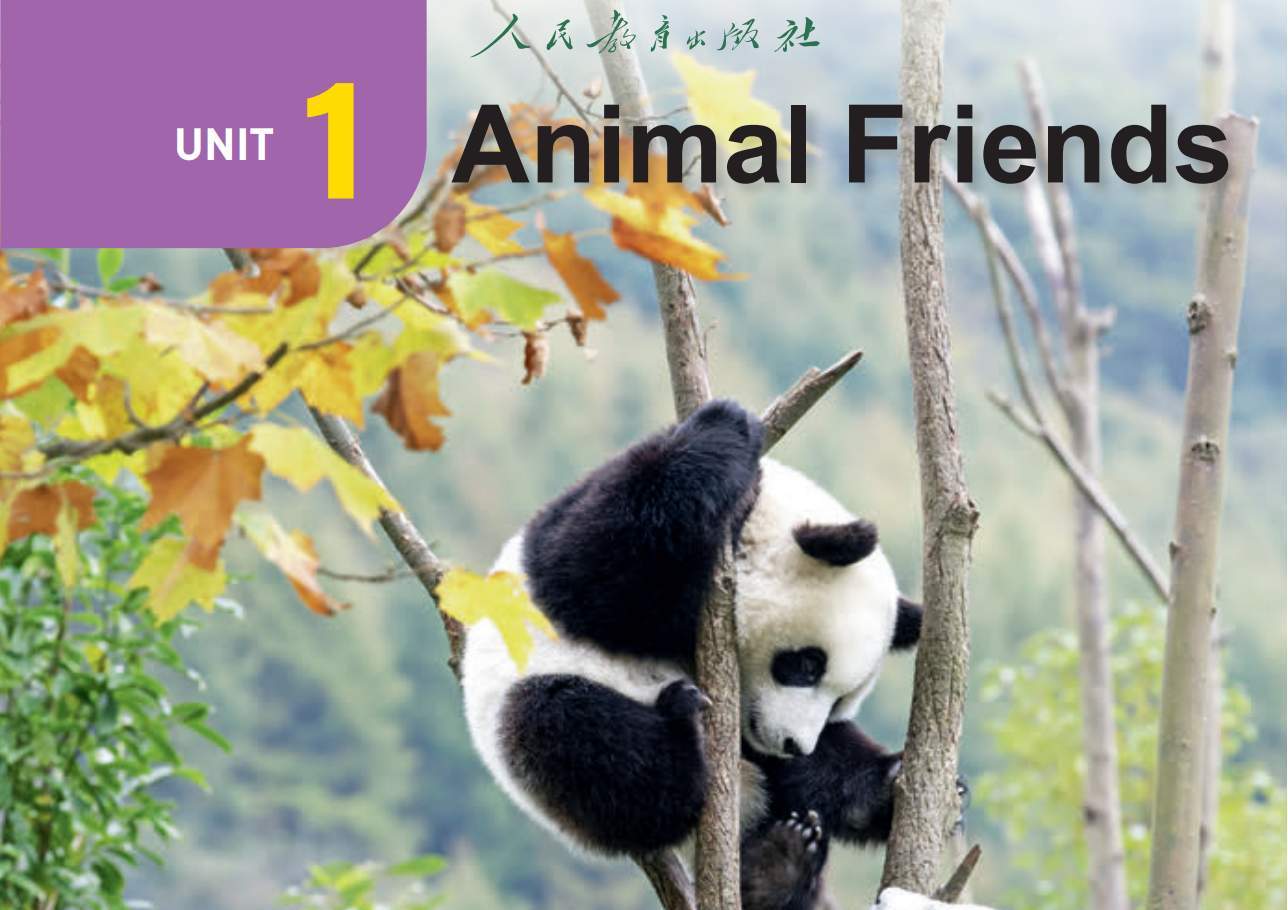


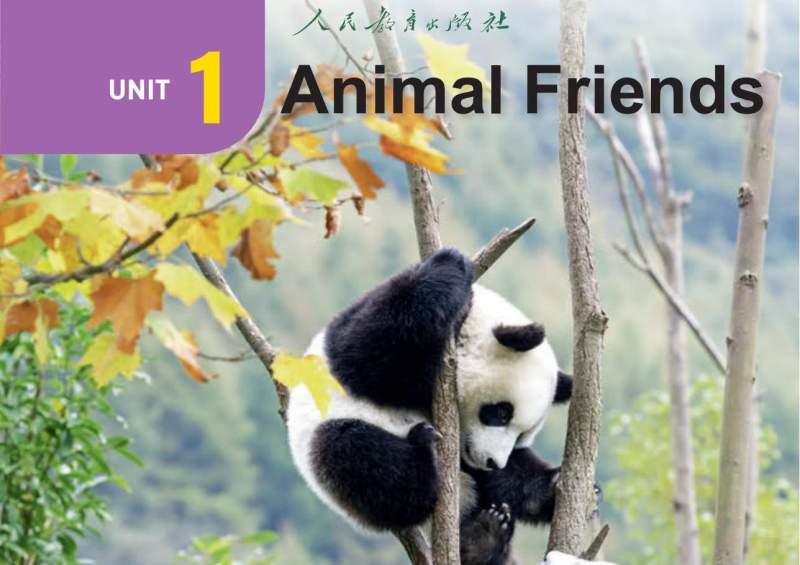
Unit 1 Animal friends
Big question: Why are animals important?
大问题:为什么动物很重要?
Section A Why do you like animals?
A部分 你为什么喜欢动物?
![图片[1]-人教版七年级下册英语Unit 1课文文本+听力-温故知新](https://1230365.xyz/wp-content/uploads/2025/06/ren-jiao-ban-qi-nian-ji-xia-ce-2025-chun-ban-ying-yu-dian-e1750430015982-1024x723.jpg)
Section A
1B Listen to the teacher’s instructions.Answer the questions.
听老师的指示。回答问题。
Listen up, everyone.
大家注意听。
Now, we’re at the zoo to learn about different animals,
现在,我们在动物园学习不同的动物,
from funny pandas and penguins
从有趣的熊猫和企鹅
to powerful lions and eagles.
到强大的狮子和老鹰。
What’s your favorite animal?
你最喜欢的动物是什么?
Who likes the same animal?
谁喜欢同一种动物?
Make a group.
组成一个小组。
Go and learn about them.
去了解它们吧。
Come back before 12 o’clock.
在12点前回来。
1c Listen to the conversation. Circle T for true or F for false.
听对话。正确的圈T,错误的圈F。
Yaming: I like monkeys.
姚明:我喜欢猴子。
Emma: Me too! Why do you like them, Yaming?
艾玛:我也是!你为什么喜欢猴子?
Yaming: Because they’re really clever and funny. What about you, Chen Jie?
姚明:因为它们又聪明又有趣。陈佳你呢?
Chen Jie: They’re my favourite too.
陈佳:我也最喜欢它们。
Yaming: Great! Let’s go and see them.
姚明:太好了!我们去看它们吧。
Chen Jie: Oh, look! A baby wolf and its mother! Do you like wolves, Emma?
陈佳:快看!小狼和它妈妈!艾玛你喜欢狼吗?
Emma: No, I don’t. They’re very dangerous.
艾玛:不喜欢,它们太危险了。
Yaming: But I do. They’re dangerous, but they take good care of their babies.
姚明:但我觉得,虽然危险,它们很会照顾幼崽。
Emma: Look! The monkeys are over there.
艾玛:看!猴子在那边。
Chen Jie: Wow! Aren’t their faces interesting?
陈佳:哇!它们的脸多有趣啊!
Yaming: Yes. They look like us!
姚明:是啊,长得像我们!
![图片[2]-人教版七年级下册英语Unit 1课文文本+听力-温故知新](https://1230365.xyz/wp-content/uploads/2025/06/image-1024x652.jpg)
Section A, Activity 2A. Listen to the conversation and circle the coloured words you hear.
A部分,活动 2A。听这段对话,圈出你听到的彩色词语。
The penguin is my favourite animal. What’s your favorite animal, Fu Xing?
企鹅是我最喜欢的动物。你最喜欢的动物是什么,傅星?
I like penguins too.
我也喜欢企鹅。
Why do you like them so much? Because they’re very cute.
你为什么这么喜欢它们?因为它们非常可爱。
Yes, they look lovely.
是的,它们看起来很可爱。
Let’s go and see them. Oh, there they are!
我们去看看它们吧。噢,它们在那儿!
They can’t fly like other birds, but they can swim fast.
它们不能像其他鸟一样飞,但它们能游得很快。
I like how they walk. It’s funny.
我喜欢它们走路的样子。它很有趣。
Yes, it is!
是的!
Where are they from? Look here! It says they’re from Antarctica.
它们来自哪里?看这里!上面说它们来自南极洲。
It’s very cold there, so they often stand close together.
那里很冷,所以它们经常挤在一起站着。
It helps them keep warm.
这能帮助它们保暖。
They’re so smart.
它们真聪明。
What do they eat?
它们吃什么?
Fish and small sea animals, I think.
鱼和小型海洋动物,我想。
I have a fish sandwich… Don’t give them your sandwich! It’s not good for them.
我有个鱼肉三明治……别把你的三明治给它们!那对它们不好。
Section A, Activity 2C. Listen to the conversation again and pay attention to the unstressed words. Then role play it.
A部分,活动 2C。再听一遍对话,注意非重读词。然后进行角色扮演。
The penguin is my favorite animal. What’s your favorite animal, Fu Xing?
企鹅是我最喜欢的动物。你最喜欢的动物是什么,傅星?
I like penguins too.
我也喜欢企鹅。
Why do you like them so much? Because they’re very cute.
你为什么这么喜欢它们?因为它们非常可爱。
Yes, they look lovely.
是的,它们看起来很可爱。
Let’s go and see them. Oh, there they are!
我们去看看它们吧。噢,它们在那儿!
They can’t fly like other birds, but they can swim fast.
它们不能像其他鸟一样飞,但它们能游得很快。
I like how they walk. It’s funny.
我喜欢它们走路的样子。它很有趣。
Yes, it is!
是的!
Where are they from? Look here! It says they’re from Antarctica.
它们来自哪里?看这里!上面说它们来自南极洲。
It’s very cold there, so they often stand close together.
那里很冷,所以它们经常挤在一起站着。
It helps them keep warm.
这能帮助它们保暖。
They’re so smart.
它们真聪明。
What do they eat?
它们吃什么?
Fish and small sea animals, I think.
鱼和小型海洋动物,我想。
I have a fish sandwich… Don’t give them your sandwich! It’s not good for them.
我有个鱼肉三明治……别把你的三明治给它们!那对它们不好。
Section B
Section B. How are animals part of our lives?
B 部分。动物如何成为我们生活的一部分?
Section B, Activity 1B. Read Malee’s post and choose the best title for it.
B 部分,活动 1B。阅读 Malee 的帖子,选择最合适的标题。
Hi, I’m Malee and I live in Thailand. The elephant is my favorite animal.
嗨,我是 Malee,我住在泰国。大象是我最喜欢的动物。
I love elephants because they are strong and clever.
我喜欢大象因为它们强壮又聪明。
They are also a symbol of good luck here. The elephant is our national animal.
它们在这里也是好运的象征。大象是我们的国宝动物。
On the 13th of March, we celebrate Thai Elephant Day.
在三月十三日,我们庆祝泰国大象节。
Elephants look very different from other animals. They are huge.
大象看起来跟其他动物非常不同。它们很巨大。
They have large ears and long trunks. They can pick up and carry heavy things with their trunks.
它们有大耳朵和长鼻子。它们可以用鼻子捡起和搬运重物。
Elephants are like us in some ways. They are very playful and love to play in the water.
在某些方面大象跟我们很像。它们非常贪玩,喜欢在水里玩耍。
They are great swimmers. They are also clever.
它们是出色的游泳者。它们也很聪明。
For example, they can remember one another and places with food and water after many years.
例如,它们还能记住彼此以及有食物和水的地方很多年后。
Elephants are very kind too. They look after other elephants when they don’t feel well.
大象也非常善良。当其他大象生病时,它们会照顾它们。
The big elephants also help the baby ones.
大象也会帮助小象。
Elephants are an important part of Thai life and culture.
大象是泰国生活和文化的重要组成部分。
However, they are in danger. They live in forests, but people cut down too many trees.
然而,它们正处于危险之中。它们住在森林里,但是人们砍伐了太多树木。
People also kill elephants for their ivory.
人们还为了象牙杀死大象。
Let’s save the forests and not buy things made of ivory. Every elephant counts.
让我们拯救森林,不要购买象牙制品。每一头大象都很重要。
七年级下册 Unit 1单词
- fox /fɒks/ n. 狐狸 p.2
- giraffe /dʒɪˈrɑːf/ n. 长颈鹿 p.2
- eagle /ˈiːgl/ n. 雕;鹰 p.2
- wolf /wʊlf/ n. (pl. wolves /wʊlvz/) 狼 p.2
- penguin /ˈpeŋgwɪn/ n. 企鹅 p.2
- care /keə(r)/ n. 照顾; 护理 p.2
- v. 关心; 在乎 p.2
- take care of 照顾; 处理 p.2
- sandwich /ˈsænwɪtʃ/, /ˈsænwɪdʒ/ n. 三明治 p.3
- snake /sneɪk/ n. 蛇 p.5
- scary /ˈskeəri/ adj. 吓人的; 恐怖的 p.5
- neck /nek/ n. 脖子 p.5
- guess /ges/ v. 猜测; 估计 p.5
- shark /ʃɑːk/ n. 鲨鱼 p.5
- whale /weɪl/ n. 鲸 p.5
- huge /hjuːdʒ/ adj. 巨大的; 极多的 p.5
- dangerous /ˈdeɪndʒərəs/ adj. 危险的; 有危害的 p.5
- save /seɪv/ v. 救; 储存; 保存 p.6
- luck /lʌk/ n. 幸运; 运气 p.6
- Thai /taɪ/ adj. 泰国的; 泰国人的 p.6
- n. 泰国人; 泰语 p.6
- trunk /trʌŋk/ n. 象鼻 p.6
- pick /pɪk/ v. 捡; 摘 p.6
- pick up 拿起; 举起 p.6
- carry /ˈkæri/ v. 拿; 提 p.6
- playful /ˈpleɪfl/ adj. 爱嬉戏的; 爱玩的 p.6
- swimmer /ˈswɪmə(r)/ n. 游泳者 p.6
- one another 互相 p.6
- look after 照顾 p.6
- culture /ˈkʌltʃər/ n. 文化; 文明 p.6
- however /haʊˈevər/ adv. 然而; 不过 p.6
- danger /ˈdeɪndʒər/ n. 危险 p.6
- in danger 处于危险之中 p.6
- forest /ˈfɒrɪst/ n. 森林 p.6
- cut down 砍伐; 减少 p.6
- too many 太多 p.6
- kill /kɪl/ v. 杀死; 弄死 p.6
- made of 由……制成的 p.6
- ivory /ˈaɪvəri/ n. 象牙 p.6
- friendly /ˈfrendli/ adj. 友好的 p.7
- quite /kwaɪt/ adv. 相当; 完全 p.7
- quite a 相当; 非常 p.7
- not … at all 一点也不; 完全不 p.7
- fur /fɜː(r)/ n. (动物浓厚的) 软毛 p.7
- blind /blaɪnd/ adj. 瞎的; 失明的 p.7
- hearing /ˈhɪərɪŋ/ n. 听力; 听觉 p.7
- Antarctica /ænˈtɑːktɪkə/ 南极洲 p.3
- Africa /ˈæfrɪkə/ 非洲 p.5
- Mali /ˈmɑːli/ 马莉 p.6
- Thailand /ˈtaɪlænd/ 泰国 p.6








暂无评论内容