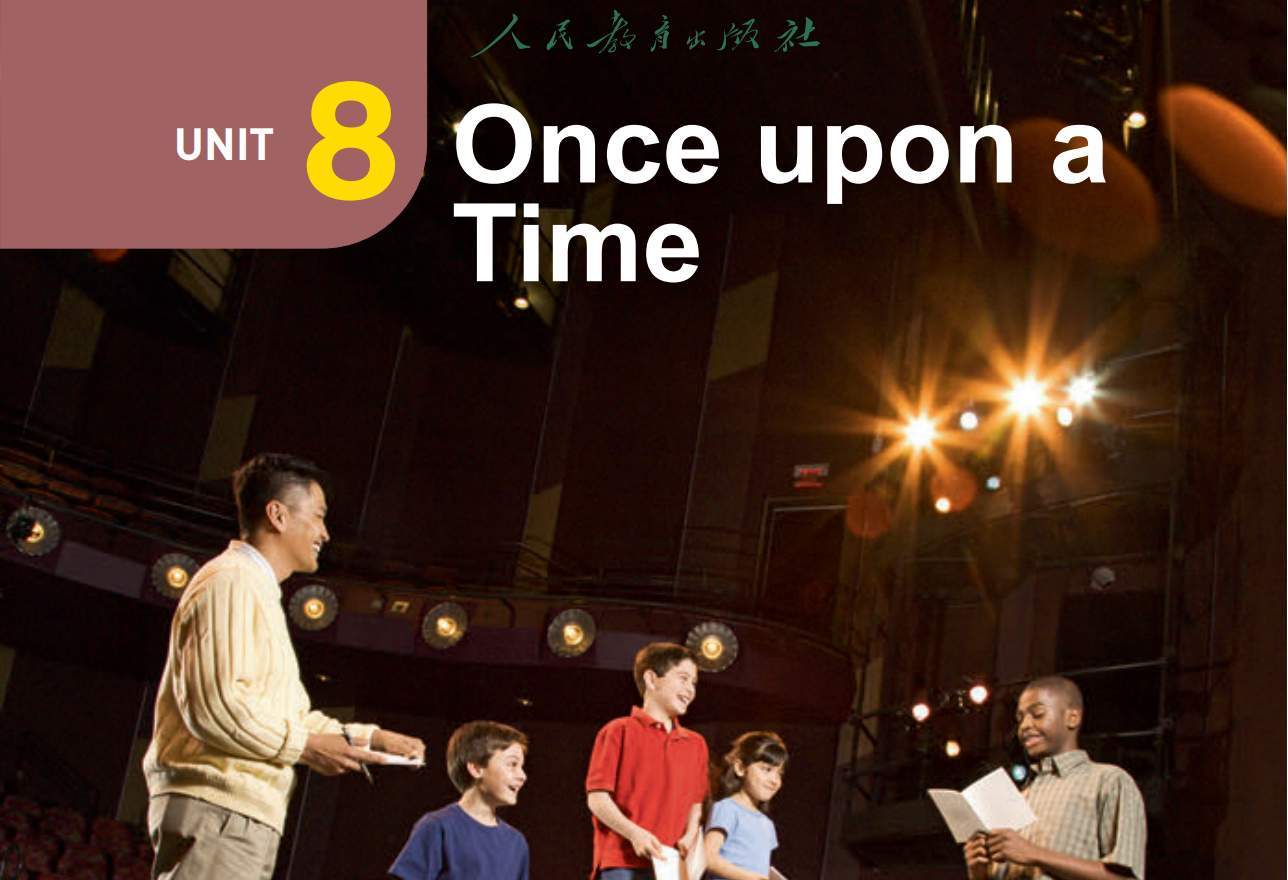


Unit 8 Once Upon a Time
Big Question: Why Do We Tell Stories?
大问题:我们为什么要讲故事?
![图片[1]-人教版七年级下册英语Unit 8课文文本+听力-温故知新](https://1230365.xyz/wp-content/uploads/2025/06/ren-jiao-ban-qi-nian-ji-xia-ce-2025-chun-ban-ying-yu-dian-7-e1750511565168-1024x700.jpg)
Section A
Section A: What Are Your Favorite Stories?
A节:你最喜欢的故事是什么?
Section A Activity 1B
Listen to the first conversation. Put the sentences in order.
听第一段对话。整理句子顺序。
Please share your favorite story with me, Peter.
请和我分享你最喜欢的故事,彼得。
Sure.
当然。
Once, a lion caught a mouse.
从前,一只狮子抓住了一只老鼠。
The mouse was afraid.
老鼠很害怕。
He said, “Please let me go. One day, I will help you.”
它说:”请放我走吧,总有一天我会报答你的。”
The lion laughed and let the mouse go.
狮子笑了,放了老鼠。
Later, a hunter caught the lion in a net.
后来,一个猎人用网困住了狮子。
The mouse helped the lion then.
这时老鼠帮助了狮子。
He bit through the net and set the lion free.
它咬断网,把狮子救了出来。
I like that story.
我喜欢这个故事。
Kindness is never wasted.
善良永远不会白费。
Section A Activity 1C
Listen to the second conversation. Choose the correct words to complete the sentences.
收听第二段对话。选择正确单词完成句子。
What’s your favorite story, Teng Fei?
腾飞,你最喜欢哪个故事?
Oh, I like this one!
噢,我喜欢这个!
A farmer lost his horse.
有个农夫丢了马
His neighbor said, “How unlucky!”
邻居说”真倒霉!”
But the farmer just said, “Maybe.”
农夫却只说:”未必”
Later, his horse came back with seven other horses.
后来那匹马带回七匹野马
People said, “That’s great!”
人们说”太好了!”
But the farmer said, “Maybe.”
农夫仍说:”未必”
Later, his son broke his leg when trying to ride a horse.
后来他儿子驯马时摔断了腿
People said, “That’s terrible!”
人们说”太糟了!”
Again the farmer said, “Maybe.”
农夫还是那句”未必”
Well, because of his leg, the son didn’t have to join the war.
正因腿伤儿子免于参军
That saved his life!
反倒保住了性命
I see! Unlucky things may turn out well, and good things could go wrong too.
我懂了!坏事可能变好事,好事也可能成坏事
Yes, you never know!
是啊,世事难料!
Section A Activity 1D
Listen to the two conversations again. And answer the questions.
再次收听两段对话并回答问题
Conversation 1
对话一
Please share your favorite story with me, Peter.
彼得,能分享你最喜欢的故事吗?
Sure.
没问题
Once a lion caught a mouse.
从前狮子抓住一只老鼠
The mouse was afraid.
老鼠吓得发抖
He said, “Please let me go! One day I will help you.”
它恳求:”请放我走吧!日后定会报答您”
The lion laughed and let the mouse go.
狮子笑着松开了爪子
Later, a hunter caught the lion in a net.
后来狮子被猎人的网困住
The mouse helped the lion then.
老鼠赶来相助
He bit through the net and set the lion free.
咬破网绳救出狮子
I like that story.
这故事真有深意
Kindness is never wasted.
善行终有善报
Conversation 2
对话二
What’s your favorite story, Tung Fai?
东辉,你最喜欢什么故事?
Oh, I like this one!
哈,这个故事不错!
A farmer lost his horse.
农夫丢了匹马
His neighbor said, “How unlucky!”
邻居感叹”真倒霉!”
But the farmer just said, “Maybe.”
农夫淡定回应:”未必”
Later, his horse came back with seven wild horses.
后来马带回七匹野马
People said, “That’s great!”
众人欢呼”走运了!”
But the farmer said, “Maybe.”
农夫依然说:”未必”
Later, his son broke his leg while taming a horse.
后来儿子驯马摔断了腿
People said, “That’s terrible!”
乡邻唏嘘”太不幸!”
Again the farmer said, “Maybe.”
农夫照旧回应”未必”
Well, because of his leg, the son didn’t have to join the war.
正因腿伤儿子躲过征兵
That saved his life!
保全了性命
I see! Unlucky things may turn out well, and good things could go wrong too.
我悟了!祸福相依相生好事也可能暗藏危机
Yes, you never know!
正是世事难料!
Activity 2: Read the Conversation Aloud Slowly in Pairs,Then listen and read it again at a normal speed. Notice how the letters in bold change sounds.
活动2:两人一组慢速朗读对话,然后听录音并以正常速度再读一遍。注意粗体字母的发音变化。
A: Did you read Little Women for English class?
A:你在英语课上读过《小妇人》吗?
B: It’s great!
B:它很棒!
B: No, I didn’t. Would you like to tell me about it?
B:不,我没读过。你想给我讲讲吗?
A: Well, I’d like to.
A:嗯,我很乐意。
A: But don’t you want to read it by yourself?
A:但你不想自己读一读吗?
Section A: Activity 2a
Emma is sharing a story with her class. Listen and circle the coloured words you hear.
艾玛正在与全班分享故事。听录音并圈出你听到的彩色单词。
Here’s The Emperor’s New Clothes by Hans Christian Andersen.
这是《皇帝的新装》作者:汉斯·克里斯蒂安·安徒生
Once upon a time, an emperor loved clothes very much.
从前,一位皇帝非常喜爱衣服
He wanted to buy some new clothes.
他想要购买新衣服
Two brothers came and lied to him: “We can make wonderful clothes! But only clever people can see them!”
两个兄弟来欺骗他:”我们能制作绝妙的衣服!但只有聪明人才能看见它们!”
They pretended to make the clothes.
他们假装制作衣服
The emperor’s officials couldn’t see the clothes, but they said, “What lovely clothes!”
皇帝的官员们看不见衣服,但他们说:”多漂亮的衣服啊!”
The emperor couldn’t see anything either, but he said, “They’re beautiful!”
皇帝也什么都看不见,但他却说:”它们真美!”
No one wanted to look silly.
没人愿意显得愚蠢
The emperor decided to show everyone his new clothes.
皇帝决定向众人展示新衣
People in the street praised them.
街上的人们纷纷称赞
They were afraid to look silly too!
他们也害怕显得愚蠢
Suddenly, a boy cried, “Look! The emperor has no clothes on!”
突然,一个男孩喊道:”看!皇帝根本没穿衣服!”
Everyone looked at one another.
众人面面相觑
They started laughing.
他们大笑起来
The end!
故事结束!
Did you like the story?
你喜欢这个故事吗?
Please tell me what you think!
请告诉我你的想法!
Section A: Activity 2e
Listen to the story again. Then retell it to a partner.
再听一遍故事。然后向搭档复述。
Here’s The Emperor’s New Clothes by Hans Christian Andersen.
这是《皇帝的新装》作者:汉斯·克里斯蒂安·安徒生
Once upon a time, an emperor loved clothes very much.
从前,一位皇帝非常喜爱衣服
He wanted to buy some new clothes.
他想要购买新衣服
Two brothers came and lied to him:
两个兄弟来欺骗他:
“We can make wonderful clothes!
“我们能制作绝妙的衣服!
But only clever people can see them!”
但只有聪明的人才能看见它们!”
They pretended to make the clothes.
他们假装制作衣服
The emperor’s officials couldn’t see the clothes,
皇帝的官员们看不见衣服,
but they said, “What lovely clothes!”
但他们说:”多漂亮的衣服啊!”
The emperor couldn’t see anything either,
皇帝也什么都看不见,
but he said, “They’re beautiful!”
但他却说:”它们真美!”
No one wanted to look silly.
没人愿意显得愚蠢
The emperor decided to show everyone his new clothes.
皇帝决定向众人展示新衣
People in the street praised them.
街上的人们纷纷称赞
They were afraid to look silly too!
他们也害怕显得愚蠢
Suddenly, a boy cried, “Look!
突然,一个男孩喊道:”看!
The emperor has no clothes on!”
皇帝根本没穿衣服!”
Everyone looked at one another.
众人面面相觑
They started laughing.
他们大笑起来
The end!
故事结束!
Did you like the story?
你喜欢这个故事吗?
Please tell me what you think!
请告诉我你的想法!
Story Summary for Retelling:
故事复述要点:
- 皇帝痴迷新衣服
- 骗子声称能制作”聪明人才能看见”的衣服
- 所有人假装看得见衣服
- 皇帝游行展示”新衣”
- 小男孩戳穿真相
- 众人终于承认皇帝没穿衣服
- 故事寓意:不要因为害怕显得愚蠢而说谎
Section B
Section B: What Can Stories Teach Us?
B节:故事能教会我们什么
Section B Activity 1B
Read the story adapted from Hans Christian Andersen The Ugly Duckling. Discuss the question with a partner.
阅读改编自安徒生的故事《丑小鸭》。与搭档讨论以下问题。
The Ugly Duckling
丑小鸭
Once upon a time, there was a mother duck who had six little ducklings.
从前有只鸭妈妈,她孵出了六只小鸭
Five of the ducklings were small and yellow, but the last duckling was big and gray.
五只毛茸茸、黄澄澄,最后一只却灰扑扑的
“He doesn’t look like us! What an ugly duckling!” the other ducklings said.
“他和我们长得不一样!好丑的鸭子!”其他小鸭叽喳道
“That’s not nice,” said Mother Duck. “He’s still a duck like us.”
“不许这么说,”鸭妈妈制止,”他和我们一样都是鸭子”
At the river, the ugly duckling swam well just like all the other ducklings.
在河边,丑小鸭游得灵巧,丝毫不逊其他兄弟姐妹
But the other ducklings still laughed at him and told him to go away.
但同伴仍对他冷嘲热讽,甚至驱赶他离开
It made the poor duckling very sad. So he decided to search for a new home.
可怜的小鸭伤心欲绝,决定踏上寻找新家的旅程
He met many other birds, but all of them thought he was ugly too.
他遇见各种鸟儿,却都嫌他丑陋不堪
They did not want him to live with them.
没有族群愿收留他
One day, the duckling met a cat and a hen.
某日遇见猫与母鸡
“May I stay with you?” he asked hopefully.
“我能与你们同住吗?”小鸭怯生生问道
But the two animals said no. They did not like him because he could not purr or lay eggs.
却遭冷漠拒绝:”不会喵喵叫,也不会下蛋”
Some days later, the duckling came to a lake.
几经辗转来到湖畔
There he saw three beautiful swans with long necks and white feathers.
邂逅三只优雅天鹅,长颈如雪,羽白胜霜
“I wish I looked like you,” he cried.
“多希望我能像你们”,小鸭哽咽道
“My friend, you do look like us! Look in the water,” one of the swans said.
“朋友,看看水中吧”,天鹅柔声指引
The duckling looked down and to his surprise, he saw that he was a beautiful white swan too.
小鸭低头望去,波光粼粼中惊见倒影里的自己竟化作皎洁如月的白天鹅
七年级下册 Unit 8单词
- upon /əˈpɒn/prep. 在…… 上 p.59
- once upon a time 从前;很久以前 p.59
- bite /baɪt/v. 咬;咬伤 p.62
- bit /bɪt/ (bite 的过去式) p.62
- bite through 咬穿 p.62
- net /net/n. 网;网状物 p.62
- hunter /ˈhʌntə(r)/n. 猎人;搜寻者 p.62
- promise /ˈprɒmɪs/v. & n. 承诺;保证 p.63
- long ago 很久以前 p.59
- war /wɔː(r)/n. 战争 p.59
- neighbour /ˈneɪbə(r)/n. 邻居 p.59
- wise /waɪz/adj. 明智的;高明的 p.59
- emperor /ˈempərə(r)/n. 皇帝 p.59
- lie /laɪ/v. & n. 撒谎;谎言 p.62
- pretend /prɪˈtend/v. 假装;伪装 p.62
- official /əˈfiʃl/n. 官员;高级职员 p.62
- silly /ˈsɪli/adj. 愚蠢的;傻的 p.62
- decide /dɪˈsaɪd/v. 决定 p.62
- praise /preɪz/v. & n. 赞美;表扬 p.62
- afraid /əˈfreɪd/adj. 害怕的;担心的 p.62
- suddenly /ˈsʌdənli/adv. 突然地;出乎意料地 p.62
- at first 起初;最初 p.62
- truth /truːθ/n. 真相;事实 p.62
- tell the truth 说实话 p.62
- make money 赚钱 p.63
- true /truː/adj. 符合事实的;真正的 p.62
- hate /heɪt/v. 不喜欢;厌恶;讨厌 p.62
- get out 逃脱;离开 p.62
- king /kɪŋ/n. 君主;国王 p.62
- artist /ˈɑːtɪst/n. 美术家;艺术家 p.62
- quickly /ˈkwɪkli/adv. 快速地;很快 p.61
- smile /smaɪl/v. & n. 微笑;笑容 p.61
- all over 到处;遍及 p.61
- ugly /ˈʌɡli/adj. 丑陋的;难看的 p.62
- duckling /ˈdʌklɪŋ/n. 小鸭子 p.62
- real /rɪəl/adj. 真的;真正的 p.62
- laugh at 嘲笑 p.62
- go away 走开 p.62
- search /sɜːtʃ/v. 寻找;搜寻 p.62
- search for 寻找 p.62
- hen /hen/n. 母鸡 p.62
- hopefully /ˈhəʊpfəli/adv. 有希望地 p.62
- purr /pɜː(r)/v. (猫愉快时)发出呜呜声 p.62
- lay /leɪ/v. 下(蛋);放置;搁 p.62
- laid /leɪd/ (lay 的过去式) p.62
- swan /swɒn/n. 天鹅 p.62
- feather /ˈfeðə/n. 羽毛 p.62
- to sb’s surprise 出乎某人的意料 p.62
- size /saɪz/n. 大小;尺寸 p.63
- believe /bɪˈliːv/v. 相信;认为 p.63
- only if 只有 p.63
- fisherman /ˈfɪʃəmən/n. 渔夫 p.63
- fishing /ˈfɪʃɪŋ/n. 钓鱼;捕鱼 p.63
- come out 出现;盛开 p.63
- genie /ˈdʒiːni/n. 妖怪;鬼 p.63
- die /daɪ/v. 死亡;消失 p.63
- make a promise 许下诺言 p.63
- someone /ˈsʌmwʌn/pron. 某人;有人 p.63
- set /set/v. 使处于某种状况;使开始 p.63
- set … free 释放 p.63
- rich /rɪtʃ/adj. 富有的;富含…… 的 p.63
- powerful /ˈpaʊəfəl/adj. 强大的;有影响力的 p.63
- anyone /ˈeniwʌn/pron. 任何人;某个人 p.62
- instead of 而不是;代替 p.62
- succeed in doing sth 成功做成某事 p.63
- himself /hɪmˈself/pron. 他自己 p.63
- in the end 最后;终究 p.63
- Hans Christian Andersen 汉斯・克里斯蒂安・安徒生 p.59




暂无评论内容